
Sandustry Flux Emanator Guide: Voidbloom to Fluxite
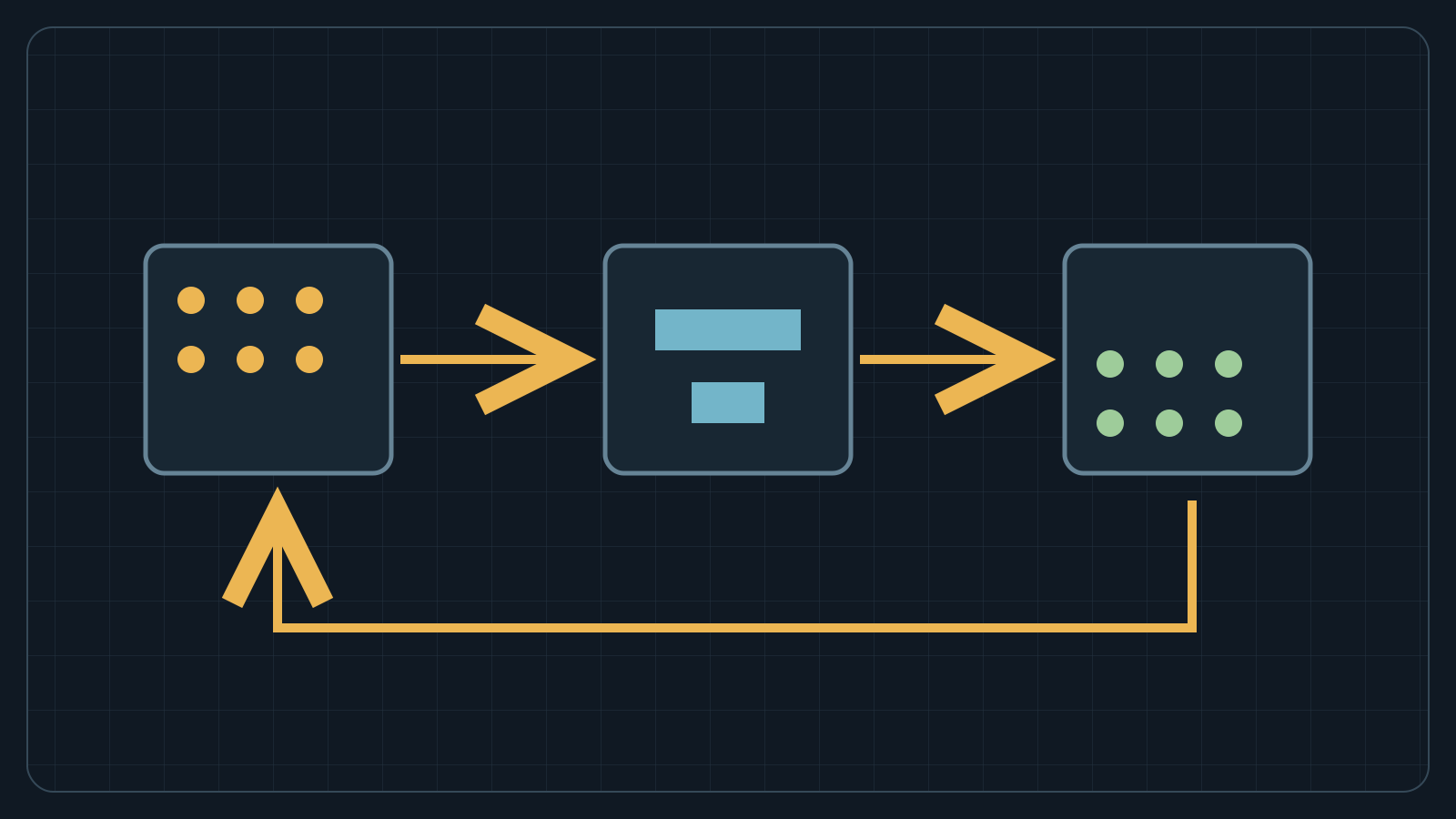
Place Voidbloom against the top of a Flux Emanator so it creates Fluxite below. Growth is slow and circular; leave open output space and remove oversized blocked blobs because the official page warns that they can harm performance.
On this page
Understand the machine's job before placing it
The Flux Emanator is a special production building that creates Fluxite from Voidbloom contact. Unlike a simple box with an input slot and output slot, its geometry is exposed: the source touches the top and the product forms in space below. The room around the building is part of the recipe.
Fluxite growth is slow and circular according to the official page. Design collection around the expanding shape rather than a narrow point output. If the area below is blocked, growth can accumulate into a large blob that becomes both a throughput problem and a performance risk.
Follow the documented input and output rules
Voidbloom must touch the top of the Flux Emanator. Keep that contact stable and protect it from unrelated material. The building then spawns Fluxite below, where normal material movement and containment determine how the result leaves the production area.
The official tips specifically warn that blocked space and huge Fluxite blobs can hurt performance. Output removal is therefore part of operating the building, not optional cleanup. Measure the maximum blob size reached during a normal interval and keep the collector faster than continued growth.
Build a serviceable layout
Reserve an open chamber below the Emanator with sloped or conveyed collection at the perimeter. Keep the Voidbloom feed accessible from above and prevent output from reaching it. Add a visual marker for the safe maximum growth region so slow accumulation is noticed before it fills the chamber.
Place a shutoff at the Voidbloom contact or make the source removable without opening the output. Keep the chamber away from critical narrow corridors; a service visit should not require walking through the product. Test collection from several edges of the circular growth area.
Diagnose the first failed boundary
If no Fluxite appears, confirm direct Voidbloom contact on the top face and clear the area below. If growth begins and then slows, inspect for an occupied output region before changing the source. A small remaining connection can keep producing into a blocked chamber.
If frame rate declines near the module, pause input and reduce the Fluxite blob in a recoverable copy. Observe performance after the chamber is cleared. If the problem persists, compare a clean v0.5.6 world and active mods before attributing every slowdown to the building.
Apply the v0.5.6 version notes
Update #3 changes an important downstream hazard: Lava now destroys Fluxite. Do not route a Flux Emanator output through or beside an uncontrolled Lava channel, and do not use stored Fluxite as a trusted Lava barrier in v0.5.6.
The patch also includes general performance and diagnostic work. The official Emanator warning about oversized blobs still supports proactive collection. Record product accumulation and frame behavior together when testing a larger module.
Field facts
| Input contact | Voidbloom touching the top |
|---|---|
| Output | Fluxite below the building |
| Growth shape | Slow and circular |
| Performance risk | Huge blocked Fluxite blobs |
| v0.5.6 hazard | Lava destroys Fluxite |
Troubleshooting
- No Fluxite forms.
Restore direct Voidbloom contact on top and clear open cells below the Emanator.
- Growth fills the chamber.
Stop the Voidbloom contact, remove the blob, and increase collection clearance before restarting.
- The module causes poor performance.
Reduce blocked Fluxite accumulation and compare the cleared module in a current vanilla test world.
Frequently asked questions
What input does a Flux Emanator use?
Voidbloom must touch the top of the building.
Where does Fluxite appear?
It grows below the Flux Emanator in a slow circular pattern.
Why should I clear the Fluxite output?
Blocked growth reduces usable throughput, and the official page warns that huge blobs can hurt performance.
Can Fluxite contain Lava in v0.5.6?
No. Update #3 states that Lava now destroys Fluxite.
Sources
Official references used for this field guide.